
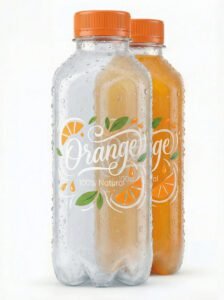
BASF’s UV-curable acrylic hotmelt acResin® UV 3532 has been approved by RecyClass for use on PET bottles, confirming its full compatibility with established European PET recycling processes under typical conditions as used in the assessment.
During standard recycling operations, labels using acResin UV 3532 as pressure-sensitive adhesive (PSA) can be removed reliably, enabling clean PET streams and supporting highquality recyclate. With the RecyClass approval of the resin, the chemical company demonstrates that existing PSAs can also meet demanding recycling requirements while maintaining high performance in label applications.
The cross-industry initiative RecyClass is a leading authority for recyclability assessment helping packaging producers align with Design for Recycling guidelines.
ENABLING HIGH-CLARITY FILMIC LABELS CONFORMING TO DESIGN-FORRECYCLING CRITERIA
New regulatory guidelines, growing sustainability expectations from consumers, and complex material streams are reshaping the packaging industry. As a result, recycling – along with reducing packaging waste and increasing reusability – has become one of the biggest challenges this industry is facing today. The RecyClass approval marks an important step from a regulatory perspective, as it aligns the label system with established Design-for-Recycling criteria under current EU guidance. In view of the upcoming implementation of the EU Packaging and Packaging Waste Regulation (PPWR) and its mandatory recycled content targets, acResin UV 3532 helps brand owners and converters meet future legal requirements.
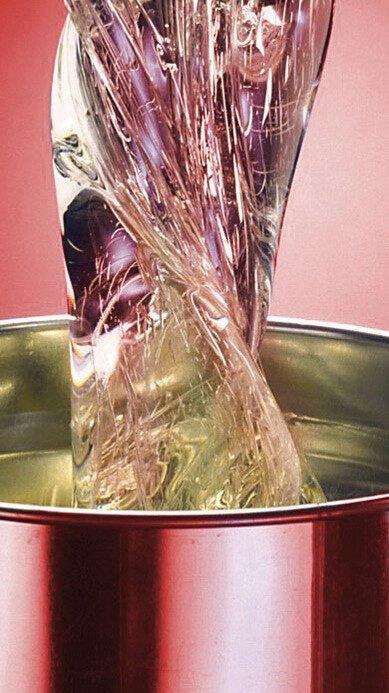
OPENING UP NEW OPPORTUNITIES FOR DESIGNING RECYCLABLE PET PACKAGING
In packaging design, the use of high-performance filmic PSA labels has long been considered incompatible with achieving clean PET material streams and the required high-quality recyclate. “Now, acResin UV 3532 opens new opportunities for recyclable PET packaging: high-clarity filmic labels that fully wash off during recycling”, says Mike Zott, Global Senior Marketing Manager in BASF’s adhesives business. To achieve this milestone, the team has been building on the product’s successful track record with recycling-friendly, highclarity labels on glass bottles. “We are demonstrating how innovative adhesive solutions can help brand owners and converters comply with regulations such as the EU’s PPWR while maintaining design freedom and performance”, he adds.
HOW BASF IS CONTRIBUTING TO A SUSTAINABLE CIRCULAR ECONOMY
The resin is one example of how the company supports customers’ green transformation and advances a sustainable circular economy in accordance with the European Union’s Clean Industrial Deal. To help reach the target of climate neutrality, the company became a founding member of the cross-industry coalition CELAB (Toward a Circular Economy for Labels) in 2020. The global network is working on solutions to reduce the environmental impact of the labeling industry and to promote a circular economy for self-adhesive labelsin all industries.
BASF’S DISPERSIONS & RESINS DIVISION
The Dispersions & Resins division of BASF develops, produces and markets a range of high-quality polymer dispersions, resins, additives and electronic materials worldwide. These raw materials are used in formulations for a number of industries, including coatings, construction, adhesives, printing and packaging, electronics and paper. With its comprehensive product portfolio and its extensive knowledge of the industry, the Dispersions & Resins division offers its customers innovative and sustainable solutions and helps them advance their formulations.